

Science Behind Flu Infections
Flu infections, commonly referred to as influenza, are more than just seasonal annoyances. They are complex viral illnesses that can pose serious health threats to individuals of all ages—especially in regions like Dubai where unique climatic factors may contribute to the spread and severity of these infections. This comprehensive guide dives deep into the science behind flu infections, how they interact with the hot and humid environment of Dubai, and what proactive steps residents and visitors can take to stay safe. We’ve also included areas where Savan Specialist Oncall Doctor can support you and your family with accessible, home-based healthcare services.
Understanding Flu Infections: The Scientific Perspective
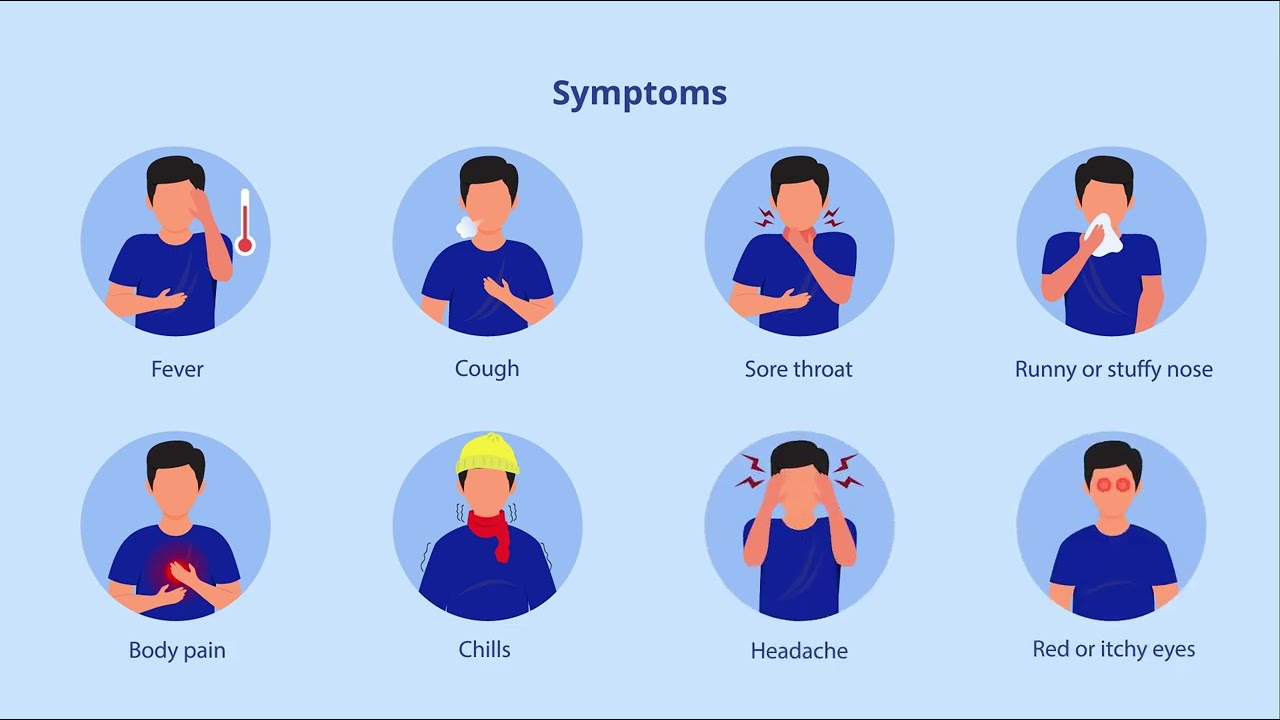
Influenza is an infectious disease caused by influenza viruses, primarily types A and B. The virus attacks the respiratory system—nose, throat, and lungs—causing symptoms such as:
- Fever and chills
- Cough and sore throat
- Runny or stuffy nose
- Body aches
- Fatigue
- Headaches
How the Virus Spreads:
The flu virus is primarily transmitted through airborne respiratory droplets released when an infected person coughs, sneezes, or talks. These droplets can travel through the air and be inhaled by people nearby. Additionally, the virus can settle on surfaces such as doorknobs, mobile phones, and countertops, where it may survive for several hours. If a person touches a contaminated surface and then touches their nose, mouth, or eyes, the virus can enter their system. Crowded indoor environments, such as offices, malls, and public transport systems, amplify the risk of transmission, especially when ventilation is poor. Children, who often have less awareness about hygiene, can be particularly effective vectors in spreading the virus within households and schools.
Incubation Period:
After exposure, the influenza virus typically takes about 1 to 4 days (commonly around 2 days) to incubate before symptoms appear. Individuals are most contagious from one day before symptoms develop to about 3 to 4 days after becoming ill. However, some people—especially young children and those with weakened immune systems—can remain contagious for longer. This means someone may spread the virus even before realizing they are sick, contributing to its rapid spread in communities.
Virus Mutation:
One of the key reasons influenza is challenging to manage is due to its ability to mutate. The most common type of mutation is called antigenic drift—a gradual process where small genetic changes accumulate in the virus over time. These changes can alter the virus’s surface proteins (hemagglutinin and neuraminidase), making it less recognizable to the immune system, even in those who were previously vaccinated or infected. This is why flu strains evolve each season, necessitating updated annual vaccines. On rare occasions, a more dramatic genetic shift—called antigenic shift—can occur, potentially resulting in a novel influenza A virus with pandemic potential.
Understanding Influenza Types:
There are four types of influenza viruses: A, B, C, and D.
- Influenza A: Infects humans and various animals (birds, pigs, etc.) and is responsible for most pandemics. It is further categorized into subtypes based on two surface proteins: hemagglutinin (H) and neuraminidase (N). Examples include H1N1 and H3N2.
- Influenza B: Infects only humans and causes seasonal epidemics, similar to Influenza A, but generally less severe.
- Influenza C: Causes mild respiratory illness and is not considered a significant public health concern.
- Influenza D: Primarily affects cattle and does not infect humans.
Influenza A and B are the major culprits behind annual flu seasons, with A being more variable and capable of sparking global outbreaks. Monitoring and studying these types help scientists develop effective vaccines and treatment protocols.
How Dubai’s Climate Influences Flu Transmission
Dubai’s climate is characterized by:
- Hot summers with temperatures soaring above 45°C
- Mild winters with average lows around 14°C
- Low humidity indoors due to air conditioning
Despite the warm environment, flu outbreaks still occur, especially during the cooler months of October to March.
Why Flu Spreads in Dubai’s Climate:
- Increased Indoor Activity
- Air Conditioning Effects
- International Travel
- Crowded Events & Public Spaces
- Poor Indoor Air Circulation
- Fluctuating Temperatures
Flu vs. Common Cold: Know the Difference
| Feature | Flu | Common Cold |
| Onset | Sudden | Gradual |
| Fever | Common | Rare |
| Fatigue | Intense and prolonged | Mild |
| Body Aches | Common and severe | Rare |
| Cough | Dry and persistent | Mild to moderate |
| Complications | Pneumonia, sinus infections | Rare |
High-Risk Groups for Flu Complications
- Seniors aged 65+
- Children under 5
- Pregnant women
- People with chronic conditions
- Immunocompromised individuals
Flu and Dubai’s Demographics: Who’s Most Vulnerable?
Dubai has a diverse and transient population, including expatriates, workers, tourists, and elderly residents. Vulnerability is heightened in:
- Labour camps and densely populated housing
- Elderly residents with comorbidities
- Domestic workers who may lack medical access
- Expats without consistent vaccination records
Savan Specialist Oncall Doctor provides tailored awareness and outreach for these groups.
Effective Prevention Strategies in Dubai’s Context
- Annual Vaccination
- Boost Immunity Through Nutrition
- Practice Hygiene
- Wear Masks When Necessary
- Improve Indoor Air Quality
- Stay Home When Sick
- Avoid Crowded Areas
Natural Remedies for Flu Relief
- Steam inhalation with eucalyptus
- Honey with turmeric and warm water
- Herbal teas with ginger, lemon, and mint
- Gargling with salt water
Always consult Savan Specialist Oncall Doctor before integrating natural treatments with prescription medications.
The Role of Home Healthcare in Managing Flu
Advantages of Home-Based Flu Management:
- Prevents community spread
- Personalized care
- Emotional comfort
Savan Specialist Oncall Doctor provides:
- Home assessments
- Swab testing
- 24/7 Doctor consults
- IV fluids
- Medication delivery
Managing Flu at Home: Essentials
- Rest and Sleep
- Hydration
- Medications
- Nutrition
- Monitoring
When to Seek Medical Attention
Watch for:
- Difficulty breathing
- High, prolonged fever
- Vomiting
- Confusion
- Cyanosis
- Convulsions
How Savan Specialist Oncall Doctor Can Support You
- Flu swab testing
- Home nurse and doctor visits
- Elderly care
- Post-recovery monitoring
- Immunity drips and nutrition planning
Flu Myths vs. Facts
Myth: Flu is just a bad cold
Fact: Influenza is a systemic viral infection that can cause severe illness, complications such as pneumonia or myocarditis, and in extreme cases, death—especially among high-risk groups like seniors and immunocompromised individuals. It is much more than a mere cold.
Myth: Healthy people don’t need vaccines
Fact: Even healthy individuals can contract and transmit the flu virus to more vulnerable populations. Vaccination helps reduce overall community transmission and builds herd immunity, protecting those who can’t be vaccinated or have weaker immune responses.
Myth: Flu vaccines cause the flu
Fact: The flu vaccine uses inactivated (killed) viruses or recombinant technologies that do not contain live virus capable of causing disease. Some people may experience mild side effects like low-grade fever or soreness, but these are signs of immune response—not flu infection.
Myth: You only need one flu shot in your lifetime
Fact: Because the influenza virus mutates frequently, the World Health Organization (WHO) and local health authorities recommend getting a flu shot every year, updated for the most likely circulating strains.
Myth: Natural immunity is better than a vaccine
Fact: Natural infection carries the risk of severe illness and complications. Vaccines offer protection without those risks, and modern flu vaccines are designed to provoke a strong immune response with minimal side effects.
Myth: Antibiotics can treat the flu
Fact: Antibiotics are effective against bacteria, not viruses. The flu is caused by a virus, and antibiotics are only prescribed if a secondary bacterial infection, such as pneumonia or sinusitis, develops. Using antibiotics improperly can also contribute to antibiotic resistance.
Travel Guidelines During Flu Season
- Avoid unnecessary travel if symptomatic
- Wear masks at airports
- Disinfect hands frequently
- Get vaccinated 2 weeks before travel
Savan Specialist Oncall Doctor offers travel checkups and fitness-to-fly certifications.
Post-Flu Recovery: What to Expect
- Lingering fatigue for 1–2 weeks
- Cough or congestion
- Muscle weakness
Recovery Tips:
- Continue hydration
- Gradually reintroduce physical activity
- Nutrient-rich meals
Book a follow-up consult with Savan Specialist Oncall Doctor to monitor your recovery.
FAQ: Home-Based Flu Care in Dubai
Q: Is home care as effective as clinic care?
A: Yes, when managed by trained professionals like those at Savan Specialist Oncall Doctor. Home care can be just as effective as clinic visits for flu cases, especially when supported by experienced DHA-licensed doctors and nurses. It also reduces the risk of exposure to other contagious illnesses commonly found in waiting rooms or hospitals.
Q: Can children and seniors be treated at home?
A: Absolutely. Children and elderly patients often benefit from the comfort of home during recovery. Savan Specialist Oncall Doctor provides age-appropriate care plans, including continuous monitoring for vital signs, hydration levels, nutrition, and medication schedules. Our pediatric and geriatric specialists are trained to identify warning signs early and escalate care if needed.
Q: How does Savan Specialist Oncall Doctor ensure infection safety?
A: Infection safety is our top priority. We follow strict DHA-approved hygiene protocols, including the use of medical-grade PPE, sterilized equipment, and contactless medical devices. Every home visit includes pre-screening, proper disposal of medical waste, and post-visit disinfection. Our staff is regularly trained in updated infection control procedures to keep both patients and caregivers safe.
Conclusion: Dubai’s Path to Healthier Flu Seasons
Dubai’s climate, population, and lifestyle make flu a year-round concern. With scientific awareness, robust prevention, and support from reliable services like Savan Specialist Oncall Doctor, staying healthy is within your control.
Choose smart flu care. Choose Savan Specialist Oncall Doctor.
Last Updated on January 26, 2026 by website admin

